Imagine turning raw numbers into persuasive stories that drive decisions. With excel how to make a chart, you unlock the ability to transform complex data into clear, impactful visuals. This guide delivers a structured, step-by-step approach, equipping you with expert-backed techniques to master chart creation in Excel by 2026.
Excel stands at the heart of modern business intelligence, powering smarter choices and streamlined reporting. Here, you will explore chart types, data preparation, chart design, advanced customization, troubleshooting, and the latest tips for staying ahead.
Ready to boost your career and productivity? Start your journey with this comprehensive guide and discover how visual storytelling in Excel can set you apart.
Why Charts Matter: The Power of Data Visualization in Excel
Data can be overwhelming when viewed as endless rows and columns. The ability to turn numbers into visuals is at the heart of mastering excel how to make a chart. Charts are more than just graphics—they are powerful tools that reveal patterns, trends, and outliers at a glance. This transformation is crucial for anyone aiming to communicate insights clearly and drive better decisions.

The Role of Charts in Modern Data Analysis
Charts have the unique ability to make complex data understandable at a glance. In today's fast-paced business environment, leaders rely on visuals to spot trends, compare performance, and detect anomalies quickly. According to Gartner, 80% of business leaders report improved understanding when data is presented visually.
The psychological impact of visual data is profound. Studies, including a systematic review on the impact of data visualization on decision-making, show that well-designed charts boost recall, speed up analysis, and support better choices. For example, a line chart can highlight seasonal sales trends, while a bar chart can pinpoint underperforming regions instantly.
Consider a project timeline: a simple Gantt chart can make deadlines and dependencies clear, enabling teams to act faster. In essence, mastering excel how to make a chart is about making information actionable, not just attractive.
Business and Career Benefits of Mastering Excel Charts
Proficiency in excel how to make a chart is a clear differentiator in the workplace. Employers value team members who can translate raw data into compelling visuals that drive action. Whether you are a manager, analyst, or entrepreneur, this skill enhances both your reports and your credibility.
Effective charts clarify complex reports, making meetings more productive and reducing misunderstandings. For example, one company improved its quarterly review process by switching from dense spreadsheets to concise charts, enabling faster strategic decisions and clearer team alignment.
Mastering charting in Excel also opens doors to new opportunities. It signals to employers that you can communicate insights, simplify reporting, and support business goals. In a competitive job market, being adept at excel how to make a chart elevates your value and ensures your work is both seen and understood.
Choosing the Right Chart for Your Data
Selecting the right chart is critical. Each chart type tells a different story. Column and bar charts are best for comparisons, line charts for trends, and scatter plots for relationships between variables. Pie charts can show proportions but easily mislead if categories are too many or values are similar.
Common mistakes include using 3D effects that distort perception or choosing a pie chart when a bar chart would be clearer. For instance, comparing quarterly sales across regions is clearer with a bar chart, while a poorly designed pie chart might obscure the real differences.
Use this table to match chart types to data stories:
| Chart Type | Best For | Avoid When |
|---|---|---|
| Column/Bar | Comparisons | Too many categories |
| Line | Trends over time | Irregular intervals |
| Pie | Proportions | Many or similar values |
| Scatter | Relationships | Categorical data |
| Area | Cumulative totals | Overlapping categories |
Understanding when and how to use each chart is a key part of excel how to make a chart, ensuring your visuals are both accurate and persuasive.
Preparing Your Data for Chart Creation
Before you dive into excel how to make a chart, you need to lay the groundwork with well-prepared data. A great chart starts with a solid foundation, and skipping this step can lead to misleading visuals or frustrating errors. Let’s explore how proper data preparation ensures your charts are accurate, clear, and truly impactful.
Data Structure: The Foundation of Effective Charts
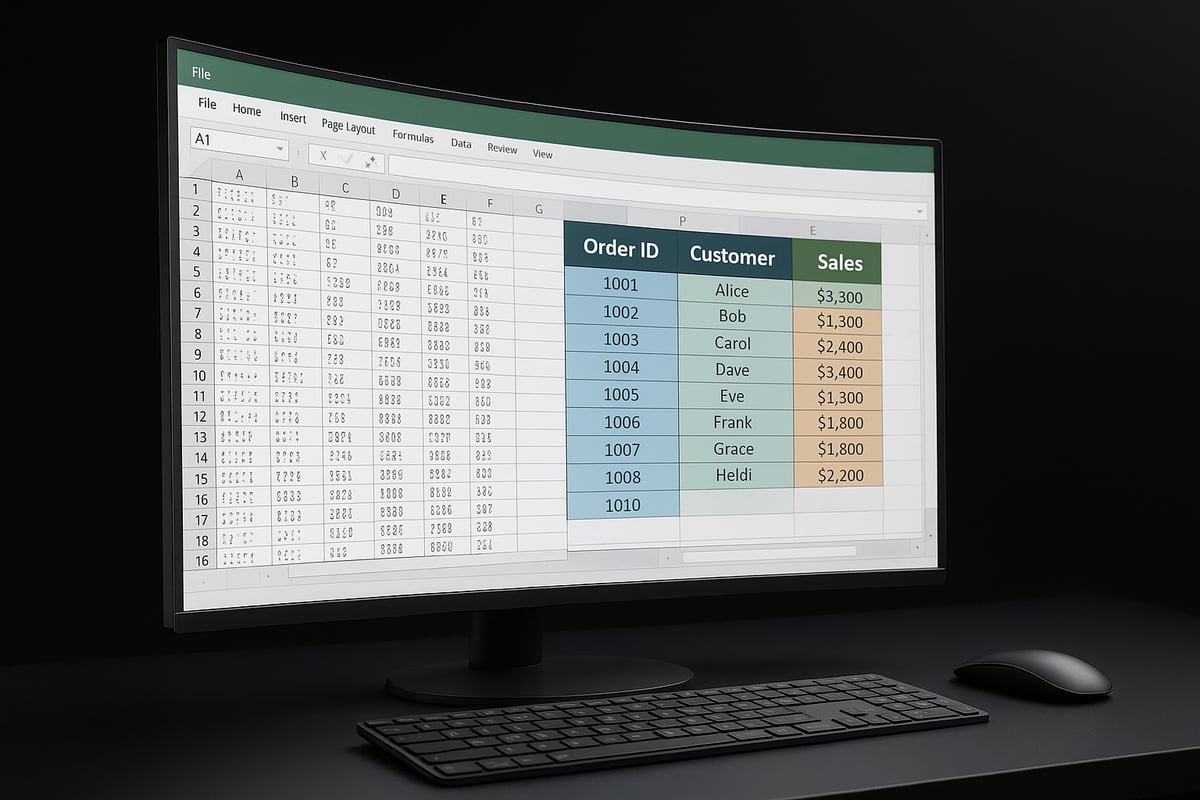
A well-organized data table is the backbone of every successful chart. If you are learning excel how to make a chart, your first step is to ensure your data is structured logically. Start by avoiding merged cells, as they can disrupt Excel’s ability to read ranges correctly. Use clear, concise headers for each column, and make sure all data in a column is of the same type, such as all numbers or all dates.
For example, consider this transformation:
| A | B | C | |
|---|---|---|---|
| 1 | Month | Sales | Profit |
| 2 | January | 15000 | 3000 |
| 3 | February | 18000 | 4000 |
Compare this to a messy table with merged cells, inconsistent formats, or missing labels, and you will see why 65% of Excel chart errors come from poor data structure (source: Microsoft support forums). Investing time in clean data saves time troubleshooting later.
Handling Missing, Incomplete, or Inconsistent Data
Any gaps or inconsistencies can undermine your efforts in excel how to make a chart. Always scan your dataset for missing entries, mismatched data types, or outliers that could skew your visualizations.
Excel offers powerful tools for this task:
- Find & Replace: Quickly locate blanks or incorrect values.
- Go To Special: Select and review cells with errors or formulas.
- Data Validation: Set rules to prevent incorrect data entry and highlight inconsistencies.
For a step-by-step approach to setting up validation checks, consider the Excel data validation rules guide. Cleaning a sales dataset before creating a chart can dramatically improve your results and help avoid misleading visuals.
Data Selection and Range Definition
Selecting the right range is crucial when you begin excel how to make a chart. Highlight only the data you want to visualize, excluding totals, subcategories, or outliers that might distort your message.
Use named ranges for dynamic charts that update automatically as your data grows. For example, define a range like =SalesData so your chart always reflects the latest figures. Avoid including summary rows unless you intend to display totals.
Tips for effective range selection:
- Double-check that your selection matches your intended story.
- Consider using Excel Tables, which expand automatically with new data.
- Exclude non-essential columns to keep your chart focused and clear.
By mastering these preparation techniques, you set yourself up for success in every step of excel how to make a chart.
Step-by-Step Guide: How to Make a Chart in Excel (2026 Edition)
Unlocking the full power of "excel how to make a chart" in 2026 means adopting a methodical, expert-backed approach. Each step brings you closer to transforming raw data into business-ready visuals that drive decision-making. Let’s break down the process, ensuring you master every essential stage.
Step 1: Highlighting and Selecting Your Data
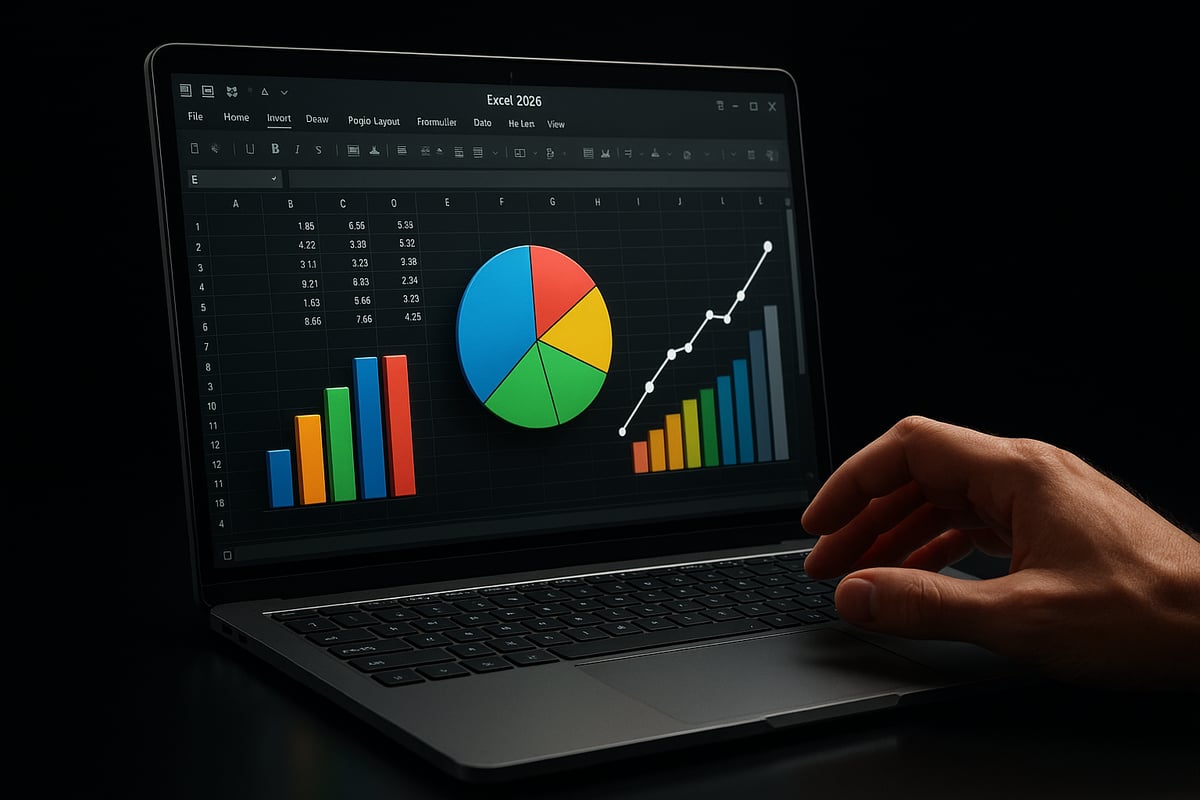
The journey to "excel how to make a chart" begins with the most critical foundation: selecting your data correctly. Start by placing your cursor in the top-left cell of your data table. Use the shortcut Ctrl + Shift + Arrow to quickly highlight adjacent data. If your dataset is structured as a table, click any cell and press Ctrl + T to format it instantly.
Key tips for efficient selection:
- Ensure your data has clear headers in the first row.
- Avoid blank rows or columns within the selected range.
- Double-check that totals or subcategories are excluded unless needed.
For example, when working with a year-over-year sales table, highlight only the relevant columns and rows. This ensures your chart reflects accurate trends. By following these steps, you lay a strong foundation for every chart you create.
Step 2: Inserting the Right Chart Type
Once your data is selected, the next step in "excel how to make a chart" is choosing the most effective visualization. Navigate to the Insert tab, where Excel 2026 offers an expanded gallery of chart types. You will find options like column, line, pie, bar, scatter, and area charts.
Here’s a quick comparison of chart options across versions:
| Feature | Excel 2021 | Excel 2026 |
|---|---|---|
| Dynamic chart previews | Limited | Enhanced |
| AI chart recommendations | No | Yes |
| Accessibility tools | Basic | Advanced |
For a clustered column chart, select your sales data, click Insert, then choose "Clustered Column." Excel 2026’s AI-powered suggestions make matching chart types to your data story easier than ever. For more on the latest charting features, see What’s new in Excel 2024 for Windows and Mac.
Step 3: Customizing Your Chart’s Design and Layout
After inserting your chart, customization becomes key to turning a default chart into a compelling visual. In "excel how to make a chart," the Chart Design and Format tabs are your primary tools. Use Chart Design to quickly switch layouts, apply color schemes, or change the overall chart type.
Key customization options:
- Add a descriptive chart title and axis labels for clarity.
- Use the Format tab to adjust font styles, colors, and effects.
- Modify the legend’s position or remove it if unnecessary.
Consider an example: Transforming a plain sales chart into a branded visual by applying your company’s color palette and adding a subtitle. This not only boosts visual appeal but also strengthens your professional image in presentations.
Step 4: Refining Data Series and Axes
Fine-tuning your chart’s data series and axes helps ensure your message is crystal clear. To add or remove data series, right-click within the chart and select "Select Data." This menu lets you adjust which rows or columns are displayed.
Axis customization tips:
- Adjust the scale to better highlight differences or trends.
- Format axis labels for readability, such as rotating text or changing number formats.
- Create a dual-axis chart to compare two metrics, like revenue and profit, by selecting "Add Secondary Axis."
In the process of "excel how to make a chart," these refinements enable you to tailor your visuals for maximum impact, ensuring stakeholders interpret data correctly.
Step 5: Enhancing Readability and Impact
A powerful chart is not just attractive but also easy to interpret. Enhance readability in "excel how to make a chart" by adding data labels to display exact values. Insert gridlines for reference or trendlines to show patterns over time.
Best practices for clarity:
- Avoid clutter by removing unnecessary chart elements.
- Use contrasting colors for different data series.
- Add callouts or annotations to highlight key insights.
For instance, by simplifying a crowded chart and focusing on a single trend, you can guide your audience’s attention to what matters most. This step is vital for effective communication in meetings and reports.
Step 6: Saving, Exporting, and Sharing Charts
The final step in "excel how to make a chart" is making your visuals accessible to others. To save a chart as an image, right-click and choose "Save as Picture." For PDFs, use the Export function under the File tab.
Embedding charts in PowerPoint or Word is seamless: copy your chart, then paste it into your document. For collaboration, leverage Excel’s cloud features to share workbooks, track changes, and maintain version control.
Tips for sharing:
- Use descriptive file names for clarity.
- Save multiple versions if you expect feedback or revisions.
- Share links rather than attachments for real-time updates.
By mastering these steps, you ensure your charts are not only well-crafted but also ready to drive action across your organization.
Customizing and Formatting Charts for Maximum Impact
Transforming your data into a clear, persuasive story relies on more than just chart selection. Customizing and formatting your visuals in Excel can make the difference between a chart that gets ignored and one that drives decisions. Mastering these techniques is essential for anyone searching for the best approach to excel how to make a chart.
Advanced Formatting Techniques
A well-formatted chart elevates your message and ensures your data stands out. In the journey of excel how to make a chart, applying advanced formatting techniques is a must.
Start by selecting a custom color palette that aligns with your brand or purpose. Use Excel's theme colors or create your own for consistency. Conditional formatting adds another dynamic layer. For example, you can color-code bars based on value, making it easy to spot trends or outliers at a glance.
Consider heatmaps for dense data sets. Applying a gradient fill to a table or chart highlights high and low values instantly. This approach is particularly effective in sales or performance dashboards, where quick insights matter.
| Formatting Technique | Use Case | Visual Impact |
|---|---|---|
| Custom color palette | Brand alignment | Cohesive, professional |
| Conditional formatting | Highlighting outliers | Dynamic, insightful |
| Heatmaps | Large datasets | Immediate focus |
When exploring excel how to make a chart, remember that thoughtful formatting can turn raw data into a visual story.
Adding and Editing Chart Elements
Clarity is key when presenting complex data. In the context of excel how to make a chart, editing chart elements ensures your audience grasps the intended message.
Start by customizing chart titles and subtitles for context. Use descriptive labels rather than generic ones. Legends should be concise and positioned where they enhance readability, not clutter the chart.
Annotations and callouts can spotlight important data points or trends. For example, adding a note to a peak in sales during a promotion helps viewers understand the story behind the numbers. Reference lines, such as targets or averages, provide benchmarks for comparison.
Use the following checklist to refine your chart elements:
- Ensure every axis has a clear label.
- Add data labels only where they add value.
- Use callouts sparingly to avoid distraction.
Fine-tuning these elements is a best practice for anyone aiming to master excel how to make a chart.
Creating Interactive Charts and Dashboards
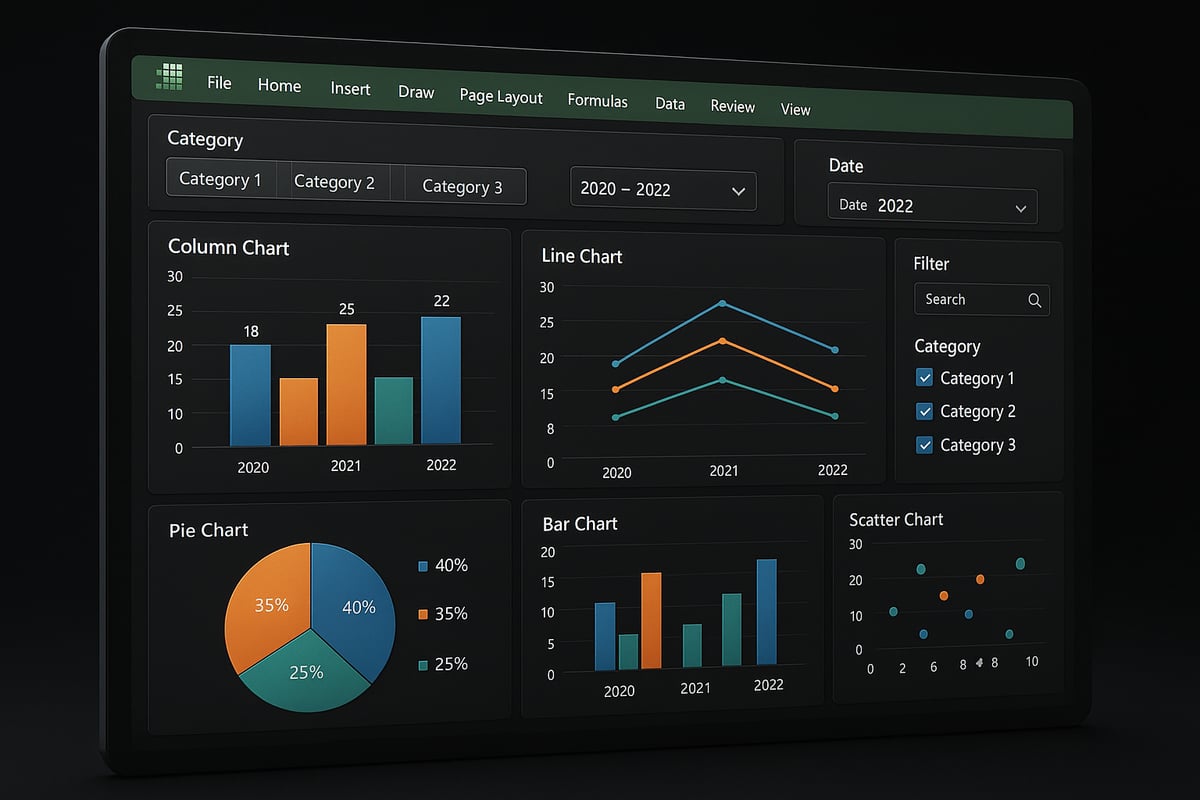
Interactivity is a powerful feature in Excel 2026, bringing your data to life. Those seeking advanced excel how to make a chart techniques should leverage slicers, filters, and dynamic controls.
With slicers, users can filter data visually by category or date. Filters enable real-time exploration of different data views. Dynamic controls, such as drop-down lists or scroll bars, make dashboards more engaging and user-friendly.
Embedding charts within dashboards allows for holistic data exploration. Imagine an interactive sales dashboard where clicking a region updates all related charts instantly. For expert guidance on building such dashboards, explore these Excel dashboard creation tips.
Here is a simple example using a slicer in Excel:
Insert > Slicer > Choose field (e.g., Region)
This instantly adds clickable filters to your chart, making it interactive.
Harnessing these tools is a major step in mastering excel how to make a chart for modern business intelligence.
Accessibility and Inclusivity in Chart Design
Ensuring your charts are accessible is not just good practice, it is essential. When learning excel how to make a chart, always consider the needs of diverse audiences.
Use color schemes that are distinguishable for color-blind users. Tools like Excel's accessibility checker help identify potential issues. Add alternative text to every chart, so screen readers can convey the information to visually impaired users.
Follow this accessible chart design checklist:
- Use high-contrast colors for all chart elements.
- Avoid relying solely on color to convey information.
- Add alt text describing the chart's purpose and findings.
- Test charts with color-blind simulator tools.
Prioritizing accessibility ensures your message reaches everyone, fulfilling the true purpose of excel how to make a chart.
Troubleshooting Common Chart Problems in Excel
Even with the best preparation, creating visuals in Excel can sometimes lead to unexpected issues. If you are following an excel how to make a chart process and hit a snag, knowing how to troubleshoot quickly is essential for smooth and accurate results. Let’s break down the most common chart problems and how to resolve them, ensuring your visuals always deliver clarity and impact.
Fixing Chart Errors and Glitches
When working through an excel how to make a chart workflow, it is common to encounter problems like blank charts, missing data, or charts that fail to update after changes. These errors usually stem from data range selection, formatting inconsistencies, or glitches within Excel itself.
Common issues include:
- Blank chart area despite data present
- Only partial data showing
- Chart type mismatch with your dataset
- “Chart Not Updating” when data changes
To fix these, first double-check your data range and ensure there are no hidden rows or columns. Use Excel’s “Select Data” tool for precise control. If the chart still does not display correctly, try resetting the chart layout or updating Excel to the latest version. In some cases, removing and re-inserting the chart resolves persistent glitches.
For step-by-step troubleshooting, refer to the Excel troubleshooting guide, which covers common chart errors and their solutions in detail. By mastering these techniques, you can quickly bring your excel how to make a chart process back on track.
Avoiding Misleading Visuals
Visual clarity is vital when you use excel how to make a chart, but it is easy to fall into traps that distort your data’s message. Pitfalls include truncated axes, inconsistent scales, or the use of 3D effects that exaggerate trends.
To avoid misleading visuals:
- Always start axes at zero unless you have a clear reason not to
- Use consistent intervals and label axes clearly
- Avoid unnecessary 3D effects, as they can obscure data differences
- Choose the right chart type for your story; for example, bar charts are better than pie charts for precise comparisons
A poorly designed chart can lead stakeholders to incorrect conclusions. For instance, a sales growth chart with a truncated y-axis may overstate minor gains. Following best practices ensures your charts remain honest and effective, reinforcing trust in your insights.
Maintaining Chart Consistency Across Reports
Consistency is key to professionalism, especially if you use excel how to make a chart for recurring business reports. Inconsistent styles, fonts, or color schemes can distract from your message and undermine your brand.
To maintain consistency:
- Use Excel templates or set up a custom theme with your organization’s colors and fonts
- Save frequently used chart layouts as templates for quick application
- Establish a simple style guide that covers basic elements like legend placement, axis formatting, and annotation standards
A company-wide chart style guide not only streamlines report creation but also ensures every chart aligns with your corporate branding. By standardizing your approach, you make it easier for teams to collaborate and for audiences to interpret data across multiple reports.
Advanced Charting Tips and Future Trends in Excel (2026 and Beyond)
Excel how to make a chart continues to evolve, and 2026 introduces innovations that will shape how professionals visualize and analyze data. Staying ahead means not just knowing existing tools, but also harnessing the latest features, integrating with other platforms, and automating your workflow for efficiency.
Leveraging New Excel 2026 Chart Features
Excel how to make a chart now includes game-changing enhancements. The 2026 release introduces new chart types, such as sunburst, waterfall, and advanced combination charts. These enable deeper insights and more compelling visual stories.
A standout feature is Excel’s AI-powered Chart Advisor, which automatically analyzes your selected data and suggests the most effective visualizations. This guidance empowers users to create accurate, impactful charts even without deep expertise.
| New Excel 2026 Feature | Benefit |
|---|---|
| Chart Advisor (AI) | Smart chart recommendations |
| New Chart Types | Sunburst, waterfall, funnel, more |
| Enhanced Formatting | Dynamic themes and palettes |
| Real-Time Collaboration | Simultaneous editing, versioning |
These features make the excel how to make a chart process faster and more intuitive. With real-time collaboration, teams can co-create charts and dashboards, ensuring consistency and streamlined workflows.
Integrating Charts with Power BI and Other Tools
The integration between Excel and Power BI is tighter than ever in 2026. Now, users can export charts directly from Excel to Power BI dashboards with just a click. This seamless process supports cross-platform data visualization, making it easier to share insights with stakeholders.
For anyone following an excel how to make a chart workflow, this means your visuals stay dynamic and interactive across platforms. Whether you’re presenting to executives or collaborating with remote teams, combining Excel and Power BI ensures your data tells a clear, actionable story.
Other integrations include embedding charts in Teams or SharePoint, and syncing with cloud storage for live updates. This increases flexibility and ensures your visuals remain up to date without manual intervention.
Automating Chart Updates with Macros and VBA
Automation is revolutionizing excel how to make a chart, especially for recurring reports. With macros and VBA, you can set up charts that update automatically as new data is entered. This removes repetitive manual steps and minimizes errors.
For example, a simple VBA script can refresh your monthly sales dashboard:
Sub RefreshAllCharts()
    Dim ws As Worksheet
    For Each ws In ThisWorkbook.Worksheets
        ws.ChartObjects.Refresh
    Next ws
End Sub
If you want to explore more, Free Excel business process automation provides practical guidance on automating tasks, including chart updates. Automation not only saves time but also ensures accuracy and consistency throughout your reports.
Staying Ahead: Learning Resources and Communities
To keep excelling at excel how to make a chart, tap into a wealth of learning resources and active communities. Microsoft offers in-depth tutorials, while the Excel MVP community regularly shares tips for mastering new features.
Recommended resources:
- Microsoft Excel charting documentation
- Online courses (LinkedIn Learning, Coursera)
- Excel user forums and blogs
- Excel MVP webinars and Q&A sessions
Engaging with these communities helps you solve challenges faster, discover advanced techniques, and stay informed about future trends. As Excel continues to innovate, continuous learning is key for anyone serious about data visualization success.